

University Media
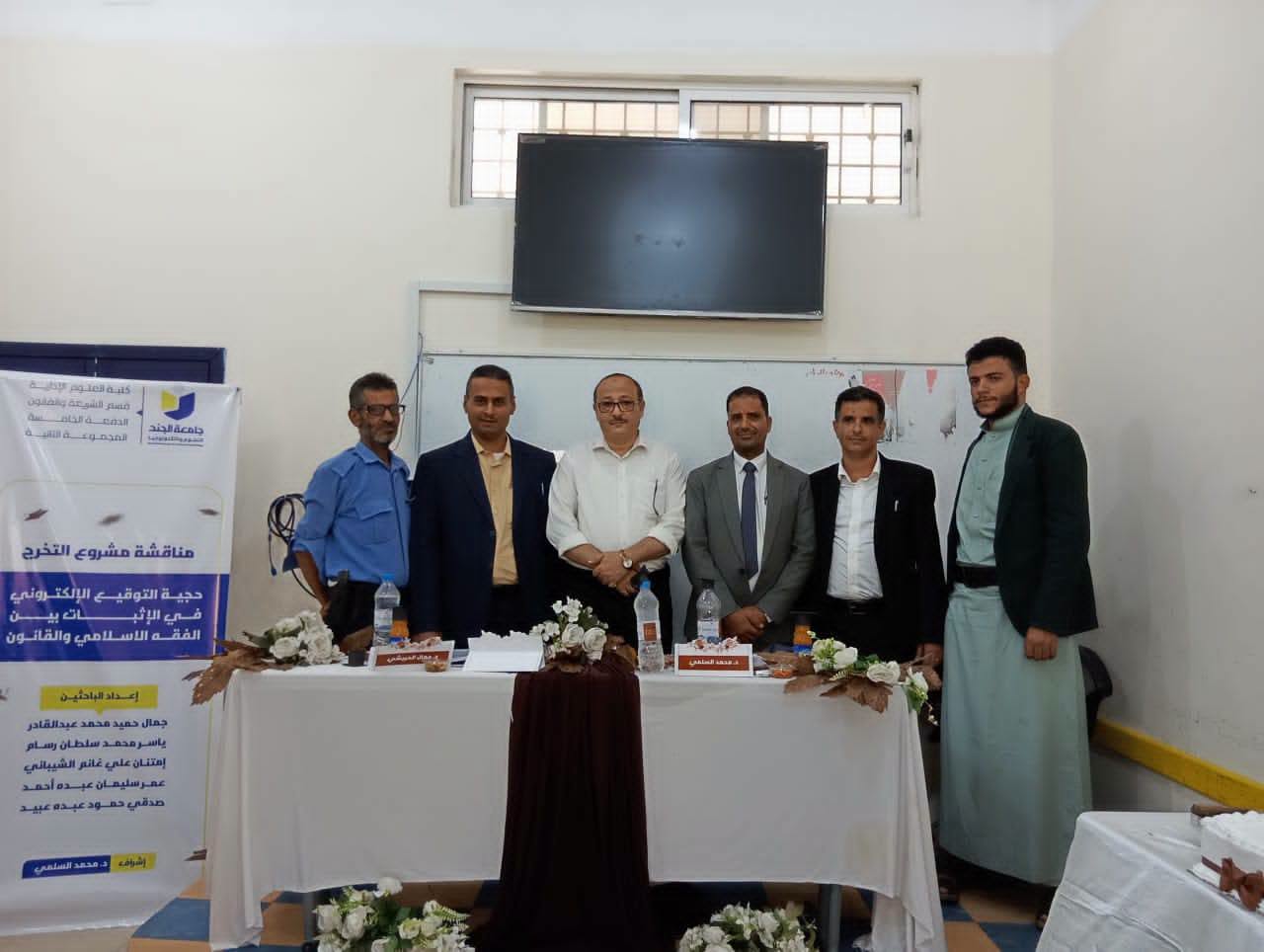
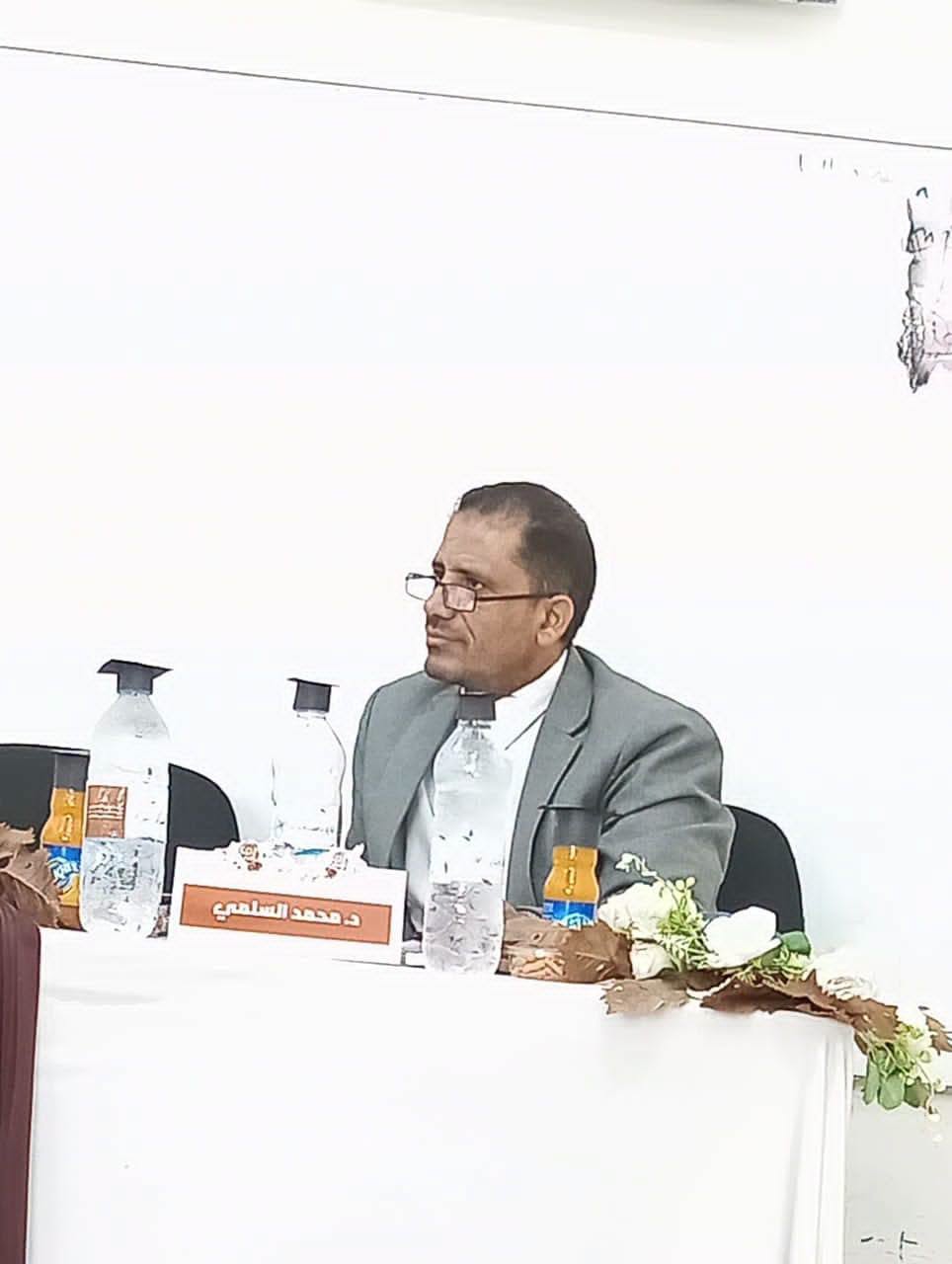
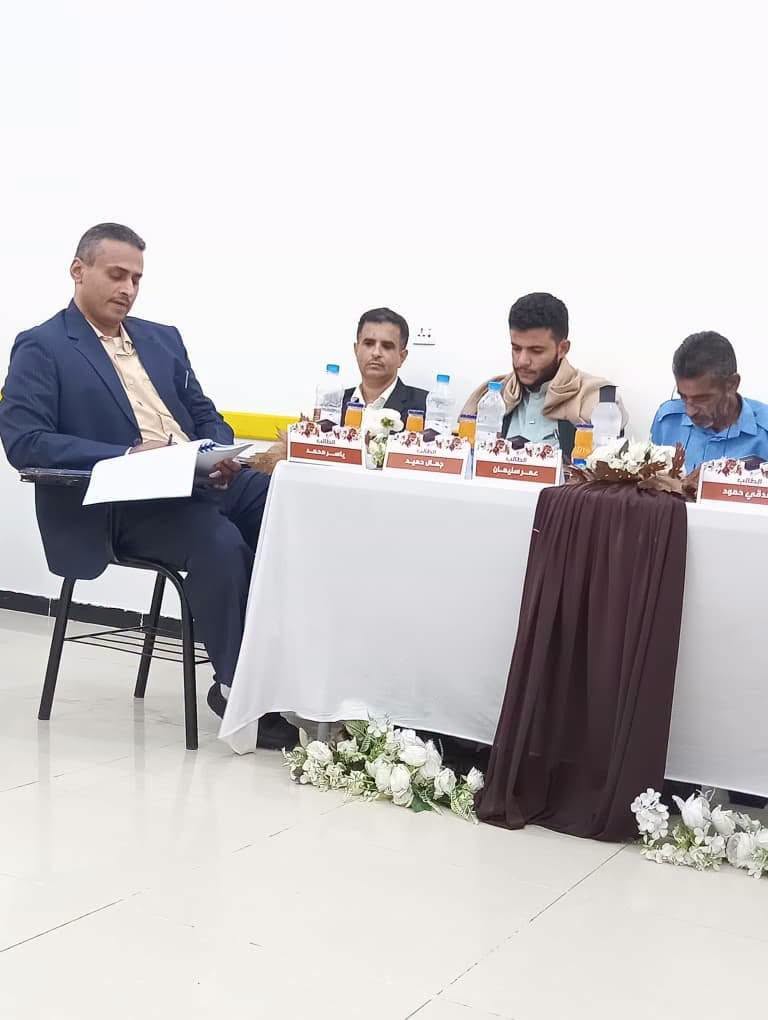
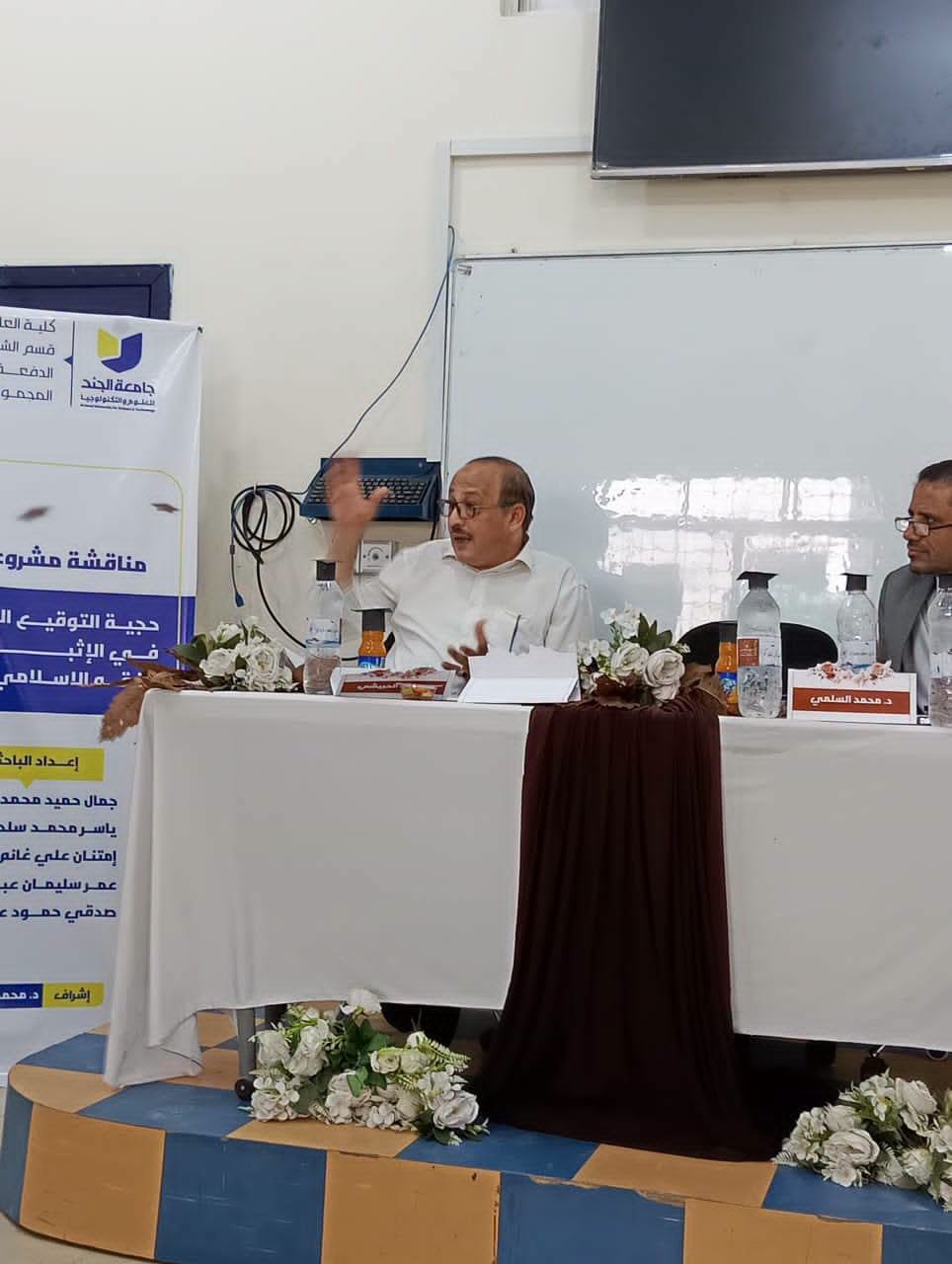
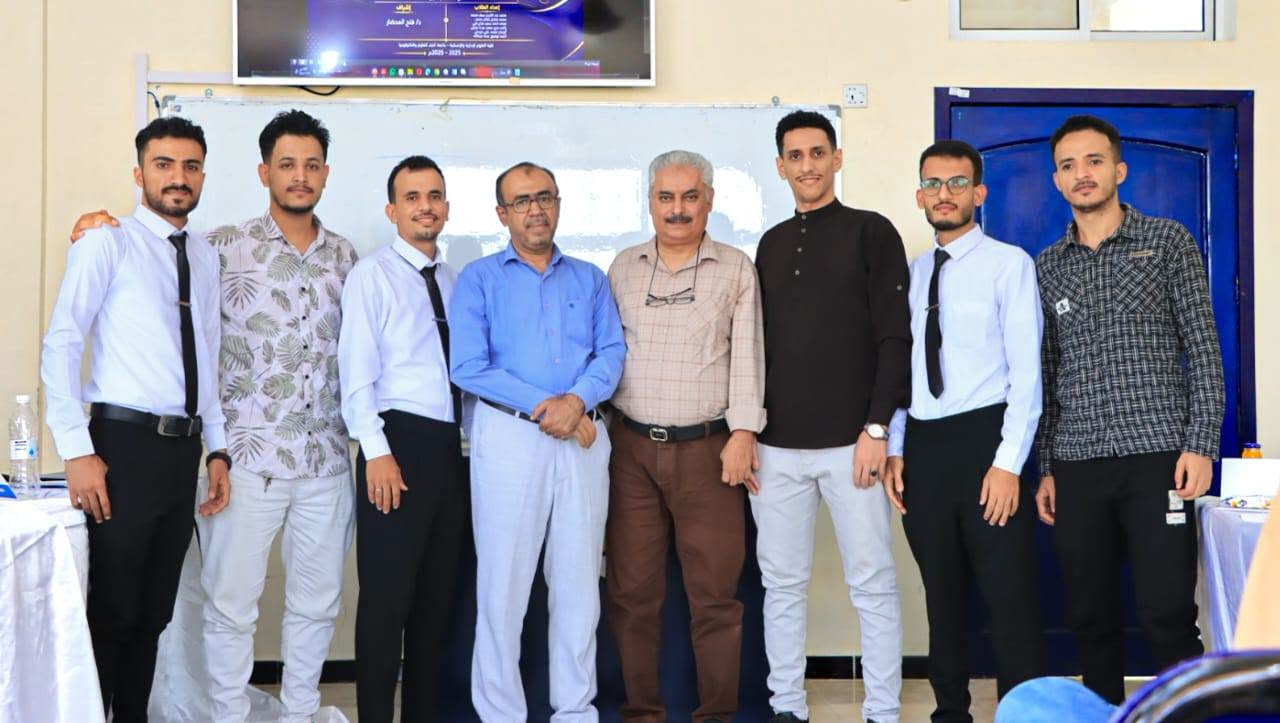
As part of its commitment to advancing academic research and keeping pace with contemporary legal and technological developments, the Sharia and Law Department at the Faculty of Administrative Sciences and Humanities examined the graduation research project prepared by the second student group, titled “The Evidentiary Value of Electronic Signatures under Islamic Jurisprudence and Yemeni Law.”
The research received strong commendation from the examination committee for its contemporary relevance and academic and practical significance, particularly as it addresses an emerging legal issue arising from rapid digital transformation in electronic transactions and modern forms of evidence.
The study adopted a comparative approach to Islamic jurisprudence and Yemeni law, seeking to establish the religious and legal basis for recognizing electronic signatures as evidence and to examine the extent to which they can be accommodated within Islamic jurisprudence while keeping pace with technological developments and remaining consistent with established Islamic legal principles.
The research also examined the historical origins of signatures and methods of establishing the authenticity and attribution of documents and correspondence to their authors. It reviewed examples from Islamic heritage, including the Prophet Muhammad’s use of a seal to authenticate letters and official correspondence as a means of verifying their issuance by their sender.
The study further examined the evidentiary value of electronic signatures under Yemeni legislation and their compatibility with general principles of Islamic jurisprudence. It also reviewed the safeguards and standards necessary to build trust in electronic transactions and documents and to protect the parties involved against potential legal risks.
 Tuesday, 08 September, 2026
 Monday, 07 September, 2026
 Sunday, 06 September, 2026
 Tuesday, 25 August, 2026
 Tuesday, 18 August, 2026 Thursday, 13 August, 2026
To locally lead, regionally compete in education and scientific research, and effectively contribute to community service
Copyright ©2026 Al Janad University. All Rights Reserved